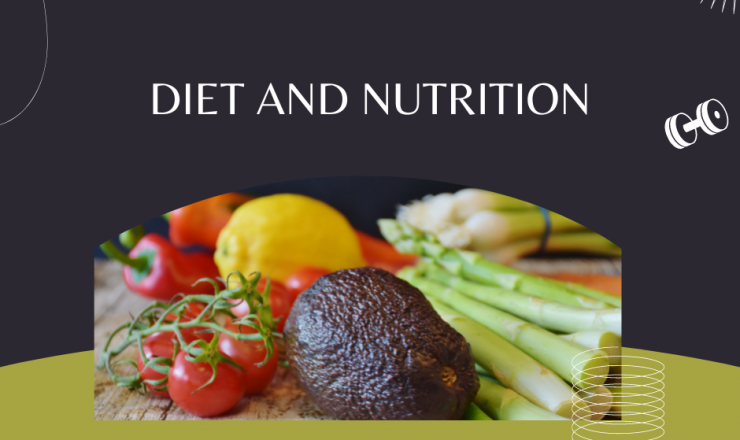
What is nutrition?
Everyone needs energy to do work, and that energy comes from food. Food provides something called nutrition’s to your body. Nutrition is the nourishment or the supply of the materials – food- requires by organism and cell s to stay live. Have your way to a stronger and healthier body or to a weaker and toxic one.
Types of nutrition
Autotrophic
Use simple inorganic substances and either light energy or chemical energy to synthesis food.
Heterotrophic
An organism that cannot manufactures its own food and instead obtains its food and energy by taking in organic substances, usually plant or animal matte. All animals, fungi and most bacteria are heterotrophy.
Foods that provide the six essential nutrients:
Carbohydrates
A main source of energy from our diet. Also called saccharide , which means “sugars”. Composed of the elements carbon, hydrogen and oxygen. Are produced by photosynthesis in plants .Simple carbohydrates are found in foods such as fruits, milk, and vegetables.
Food carbohydrates include:
Complex carbohydrates (starches and fiber)
Simple carbohydrates (sugars)
Protein
Proteins are large molecules consisting of amino acid which our bodies and the cells in our bodies need to function properly. Our body structures, functions the regulation of the body’s cells, tissues and organs cannot exist without proteins. Our muscles, skin, bones and many other parts of the body contain significant amount of protein. Protein accounts for 20% of total body weight. Large complex molecules composed of amino acids. Contain carbon, hydrogen, oxygen, nitrogen. Primary source of nitrogen in our diets. 20 different amino acids are used to make proteins. Essential component of the body cells, tissues and fluids.
Fats
At nine calories per gram, fats are the most calorific nutrient. However fats are needed in our diet and not all fats equal. Whilst 21% of UK shoppers are trying to reduce their consumption of fat and fatty foods, some fatty foods are growing in popularity.
Vitamins
Vitamins are found in almost everything we eat. Processing affects vitamin content. Dietary supplements can boost vitamin intake. Not all of what we can be used by the body. Vitamins are made up of carbon, hydrogen and oxygen. Vitamins are called micronutrients because they are needed in only very small quantities. They all have chemicals names but they are usually referred to by letters. Vitamins are tasteless organic substances that are indispensable to the normal metabolic processes of organism. They are essential to maintain health and performance, and have to be supplied with the feed. Vitamins do not provide energy themselves, but a deficiency of any vitamin can cause serious symptoms.
Minerals
Unlike vitamins, which are organic substances minerals are organic and are found in rocks and soil. Vegetables absorb minerals as they grow, while animals digest it through their diet. Minerals can be divided into two groups those needed in larger quantities (major minerals) and those only required in tiny amounts. Our body requires mineral elements for a variety of function. They are also known as micronutrients.
Major minerals:
Trace elements:
Water
All liquids that we drink contain some water, such as fruit juice and milk. It is also found in many foods. Water is needed for cells and body fluids. We need to drink 6-8 glasses of water each day. 60%-80% of the human body is water! Function: Assists with the transport of materials in the body by making up most of the liquid part of blood (plasma), helps regulate body temperature, and helps regulate body temperature, and helps break down food in the digestive system .
Benefits of drinking water:

DIET
Diet is the amount of food consumed daily by a person or other organism.

Simple tips to make your diet healthier:
Balanced diet:
A balanced diet helps maintain proper body weight, keeps us nourished, and our skin is free of acne and pimples. Proteins are essential for adolescents as they need it for their growth and development. It develops healthy eating habits and helps us to reach our optimum health goals.
Different types of diets,
Intermittent fasting
Intermittent fasting is when participants alternate between eating and fasting and eating in specific time periods. It doesn’t specify which foods you should eat but rather when you should eat them. It’s currently very popular in the health and fitness community.
Benefits of intermittent fasting:
Mediterranean Diet
The diet features foods from the Mediterranean area. There are various preparations of similar ingredients. The diet is high in fruit and vegetables, and also contains fresh fish, poultry, dairy, olive oil, and red wine. The diet has been studied extensively for its health effects. Reduce the risk of heart disease. Reduce the incidence of cancer, and Parkinson’s and Alzheimer’s diseases.
The Ketogenic Diet
The ketogenic diet is a low-carb, high-fat diet that offers many health benefits.
9 Proven benefits of a ketogenic diet:
If It Fits Your Macros
A dieting approach that helps people lose or gain weight without being restricted from eating certain food items and focuses on meeting macronutrient goals. What you eat doesn’t take priority over hitting your macronutrient goal for the day.

Veganism
Veganism is a lifestyle which seeks to exclude, as far as possible, all forms of exploitation of, and cruelty to, animals for food, clothing or any other purpose.
Health benefits:
On average, vegans live about 8 years longer than omnivores. They also show results for lower BMI, lower risk of disease including cardiovascular disease and cancer, and an overall improved quality of life.
5 Types of vegans:
Dietary vegan:-
A person that doesn’t eat meat, Dairy or eggs
Ethical vegan:-
Has the same diet as a vegan, but they are very cautious of animals-based products.
Green vegan:-
A green vegan looks out not only for their diet, but also for the environment by avoiding products like palm oil for example.
Raw vegan:-
A raw vegan follows a plant-based diet and will not eat anything that has been cooked above 105’F .
Plant-based vegan:-
They will stay away from all processed foods and choose to eat only whole foods.
Carnivore Diet
This is an animal centric diet that focuses entirely or almost entirely on animal based foods.
What to eat on a carnivore diet?
Meat
Beef, lamb, bison, and chicken-any kind of meat is okay on a carnivore diet. Since you aren’t consuming any carbohydrates, you should be getting the bulk of your calories from fattier cuts of meat to make sure you’re getting enough calories.
Animal fat
Tallow (beef fat), ghee, butter or other animal fats are the main cooking fats used. The good news is that they all have very high smoke points, which makes them well-suited for searing steak or crisping up a roast chicken.
Dairy
Some carnivores eat cream, butter, and cheese, but many people avoid dairy because they’re lactose-intolerant. Many people choose to avoid milk and yogurt and other dairy sources that have lactose sugars.
Fish
All types of fish are allowed on carnivores, salmon, tuna, sardines, anchovies, oysters, and shrimp are all popular for their DHA omega-3 content.
Paleo Diet
The paleo diet is also popularly referred to as the caveman diet, Stone Age diet and hunter-gatherer diet. It consist of food that can be hunted and fished, such as meat, and seafood, and can be gathered, such as egg, insects, fruits, nuts, seeds, vegetables, mushrooms, herbs and spices.
Exclusion:
Mainly grain, legumes (e.g. beans and peanuts), dairy products, salt, refined, sugar and processed oil, processed food.
Benefits of paleo diet
The study looked at people eating strict low-calorie diets — 1,400 calories a day for women, 1,600 calories a day for men;. If Dieters had dessert with breakfast they have less hunger and cravings full of the day and are better able to keep off lost weight if they eat a carbohydrate-rich, protein-packed breakfast that includes dessert. These findings come from study that was presented June 25 at The Endocrine Society’s 94th Annual Meeting in Houston.
This diet is based on research on SIRTs (sirtuins), a group of 7 proteins found in the body that has been shown to regulate a variety of functions, including metabolism, inflammation and lifespan.
The list of the “top twenty sirtfoods” provided by the Sirtfood Diet includes:
The diet combines sirtfoods and calorie restriction, both of which may trigger the body to produce higher levels of sirtuins.
The Sirtfood Diet book includes meal plans and recipes to follow, but there are plenty of other Sirtfood Diet recipe books available.
The diet’s creators claim that following the Sirtfood Diet will lead to rapid weight loss, all while maintaining muscle mass and protecting you from chronic disease.
Once you have completed the diet, you’re encouraged to continue including sirtfoods and the diet’s signature green juice into your regular diet.