
Bloomberg: Twenty-five US states and territories have reported cases of children’s hepatitis with no known cause, bumping the total number under investigation to 109, health officials announced.
There have been five reported deaths among the cases and 14% of the patients needed liver transplants, the Centers for Disease Control and Prevention said. About half of the suspected cases were linked to adenovirus, which the agency said is at the “top of the list” of viruses of interest.
“What makes this unusual is not the number of cases, but the possible association with adenovirus,” Jay Butler, CDC deputy director for infectious diseases said in a call with reporters.
CDC’s disease-trackers still don’t know whether it’s the virus itself, an immune reaction to the strain of adenovirus, or if there’s an infectious or environmental factor that may be contributing to the cases, Butler said.
Concern about the mysterious cases of pediatric hepatitis has been growing since the CDC issued an alert in April regarding a cluster of nine cases in Alabama. Additional information released last week showed none of the kids had Covid-19, but officials said Friday that antibody testing was not performed to look for evidence of a prior infection.
In their description of the Alabama cluster, health officials noted that several children had tested positive for adenovirus type 41, a pathogen that usually causes acute gastroenteritis — sometimes called stomach flu — leading to nausea, vomiting, diarrhea and sometimes more severe symptoms. Last week, health officials confirmed that all five patients whose samples were sequenced showed signs of the same virus type, raising the possibility of a causal link.
A group of five viruses – known as hepatitis A, B, C, D and E – are well known to cause liver disease, but others can damage the organ. Adenovirus was previously only thought to cause hepatitis in children with underlying health issues, but last week’s CDC report noted that it “might be an underrecognised contributor to liver injury among healthy children.”
“One of the things that does seem to be unusual in this instance is that many of the children who are affected, all of them among the nine in Alabama, did not have immunocompromising conditions,” Butler said.
More than 200 cases of unexplained hepatitis in kids have been identified all over the world; the UK alone has confirmed more than 160. Experts there are currently conducting a formal epidemiological study to determine whether adenovirus is causing the liver ailments, but are still considering other hypotheses, as well. The UK Health Security Agency says it is also investigating whether SARS-CoV-2 could be linked to the cases and looking at kids’ immune systems.
Experts have said it’s too soon to rule out the coronavirus as a cause of the cases, despite the CDC reporting none of those in Alabama were linked to the virus. Covid has been shown to damage a variety of organs, including the liver, and long Covid, especially in kids, is still poorly understood. Half a million kids are estimated to be suffering from long Covid, with varying degrees of severity and symptoms.
Zachary Rubin, a pediatric immunologist at Central DuPage Hospital in Illinois, said data released by the CDC doesn’t fully rule out a role for Covid-19 because the kids weren’t tested for antibodies that would indicate an earlier infection. Also, there were no signs of the adenovirus in the children’s livers.
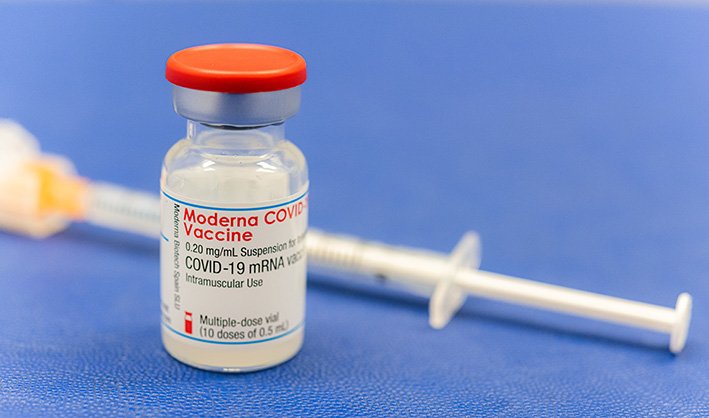
The agency has also ruled out the Covid-19 vaccine as a potential cause because none of the kids were found to have been immunized, in most cases because they were too young to be eligible.
“The Covid vaccine is not the cause of these illnesses,” Butler said. “We hope this helps clarify some of the misinformation circulating online.”
So far, overall numbers of US pediatric hepatitis cases haven’t increased, health officials said. However, before these cases started cropping up, the CDC only tracked pediatric hepatitis linked to known liver viruses.
Hepatitis doesn’t occur frequently in kids, but is not necessarily rare, said Saul Karpen, a pediatric liver expert at Children’s Healthcare of Atlanta and board member of the American Association for the Study of Liver Diseases. Karpen said that about 10% of his pediatric patients with liver transplants have disease that wasn’t caused by one of the recognized liver viruses.

31-07-2022
Abu Dhabi to provide...
31-07-2022
US plans September Covid...

29-07-2022
SEHA to close Al...

29-07-2022
Dubai Health Authority achieves...