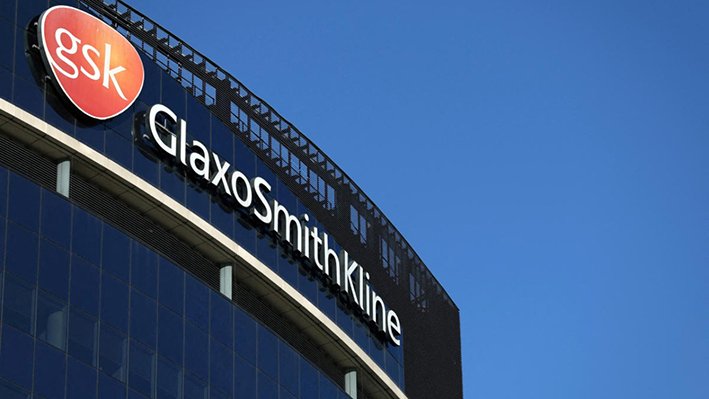
Bloomberg: GSK Plc’s consumer-health unit Haleon began trading in London on Monday, marking one of the biggest-ever spinoffs in British corporate history.
The maker of Panadol painkillers and Sensodyne toothpaste opened at 330 pence, valuing the business at around £30 billion ($36 billion). Shares traded at 329.75 pence as of 9:46 am in London.
The demerger is one of the few bright spots in an otherwise bleak listings scene in London as the war in Ukraine, rising interest rates and a spiraling cost-of-living crisis fueled by roaring inflation weigh on risk appetite.
Haleon will have to be “nimble” during a period of surging cost inflation and when consumers are reining in their spending, said Susannah Streeter, senior analyst at Hargreaves Lansdown Plc, adding: “Its big brand pulling power should help it hang onto customers, who may trade down other products in shopping baskets instead.”
The company, which owns a sprawling portfolio of brands also includes the painkiller Advil, instantly ranks as one of the UK’s biggest listed firms. GSK, which has transferred a chunk of its sizable debt pile into the unit, will focus on prescription drugs and vaccines.
Haleon will need to show it can achieve its target of annual sales growth of 4% to 6% in the medium term while reducing debt. The company earlier this year also highlighted two new deals to switch medicines from prescription-only to over-the-counter sales, saying it plans to launch the switches in 2025 and 2026, without providing more details.
With the global economic outlook darkening, firms are looking for cheap ways to boost investor returns and focus on their core operations. Spinning off units can unlock value for shareholders and may lift the parent company’s stock.
Other health-care giants are following in GSK’s footsteps, with Johnson & Johnson saying in November it also intends to split off its consumer division. Investors are putting pressure on companies ranging from HSBC Holdings Plc, Glencore Plc to Glanbia Plc to split up and return value to shareholders.
No shares are offered to the market in a spinoff, with the unit’s stock handed to existing shareholders upon listing. This type of deal avoids weeks of exposure to market swings that come with an initial public offering, making it much easier to execute in volatile times.
Sanofi ditched IPO plans for its drug-ingredients business Euroapi SA, spinning it off in May instead to sidestep market turmoil. The new company has gained 19% since it started trading in Paris.
Prior to the spinoff, Haleon had attracted takeover interest from several large conglomerates. Unilever Plc made a £50 billion bid for the business that failed in January, while Nestle SA is also said to have explored buying the unit in what would have been its biggest-ever deal.
“With a market value of approximately £31 billion, investors might be wondering why GSK didn’t accept the much higher bid from Unilever,” said Danni Hewson, financial analyst at AJ Bell. “While Haleon owns some well-known brands including Sensodyne and Advil, that may not be enough to entice a line of buyers for the stock.”
31-07-2022
Abu Dhabi to provide...
31-07-2022
US plans September Covid...
29-07-2022
SEHA to close Al...
29-07-2022
Dubai Health Authority achieves...